


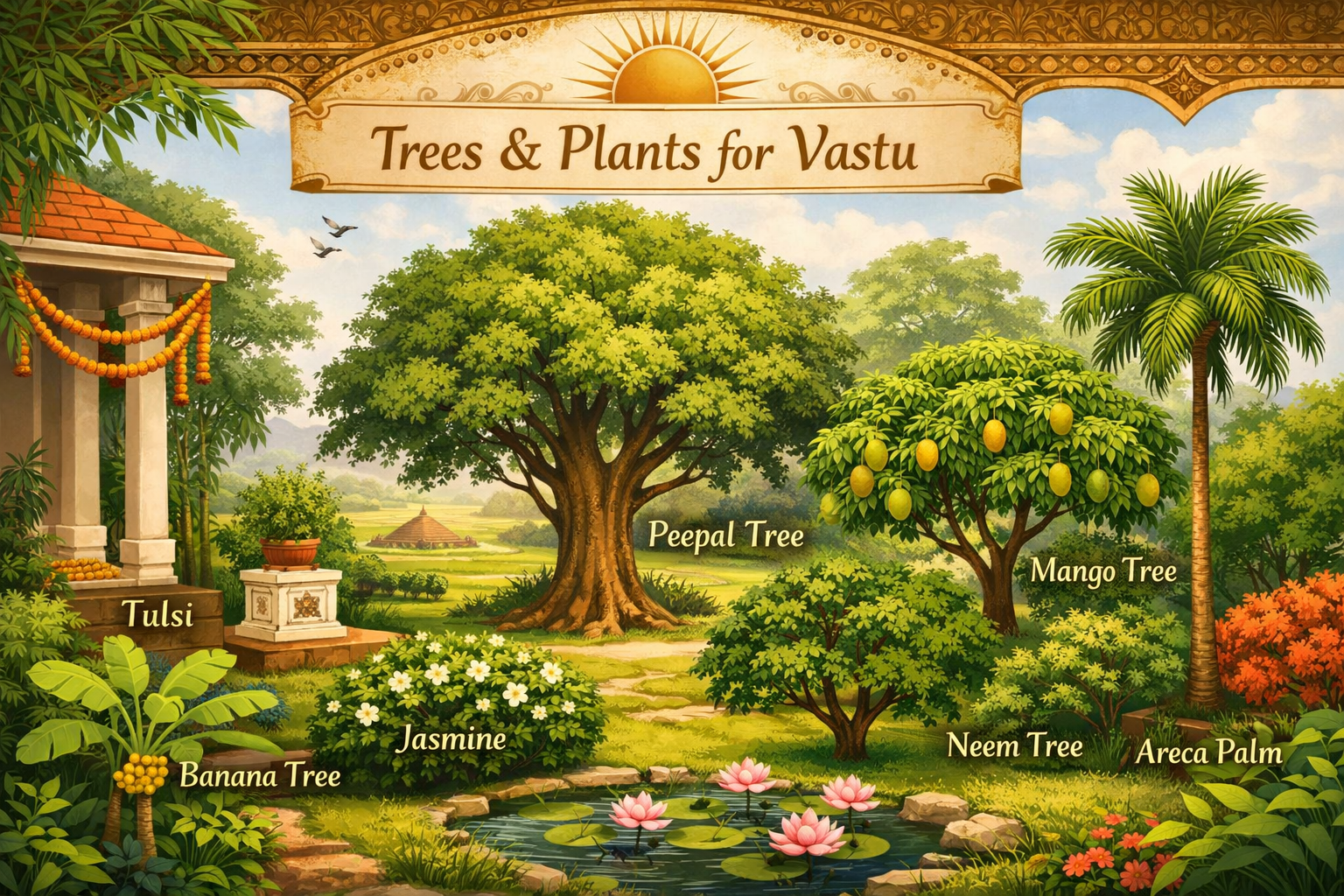
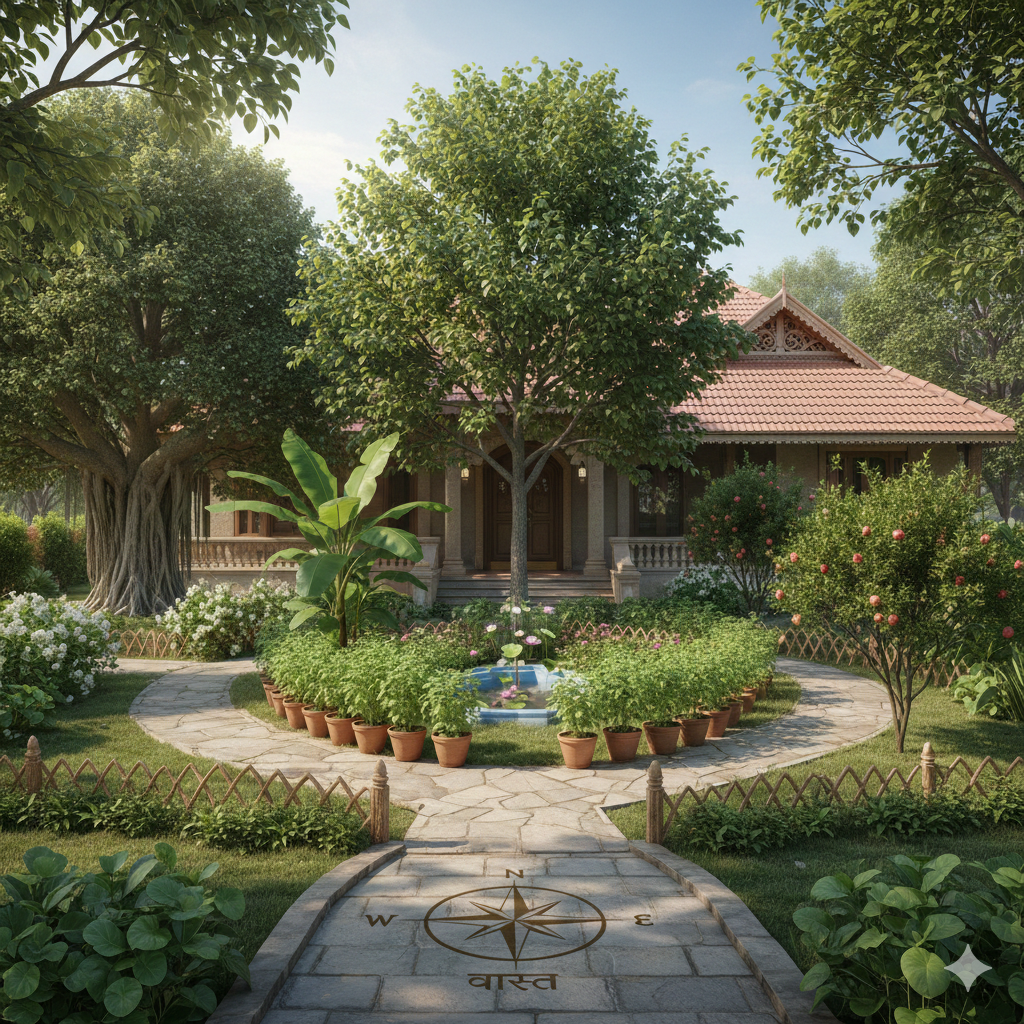
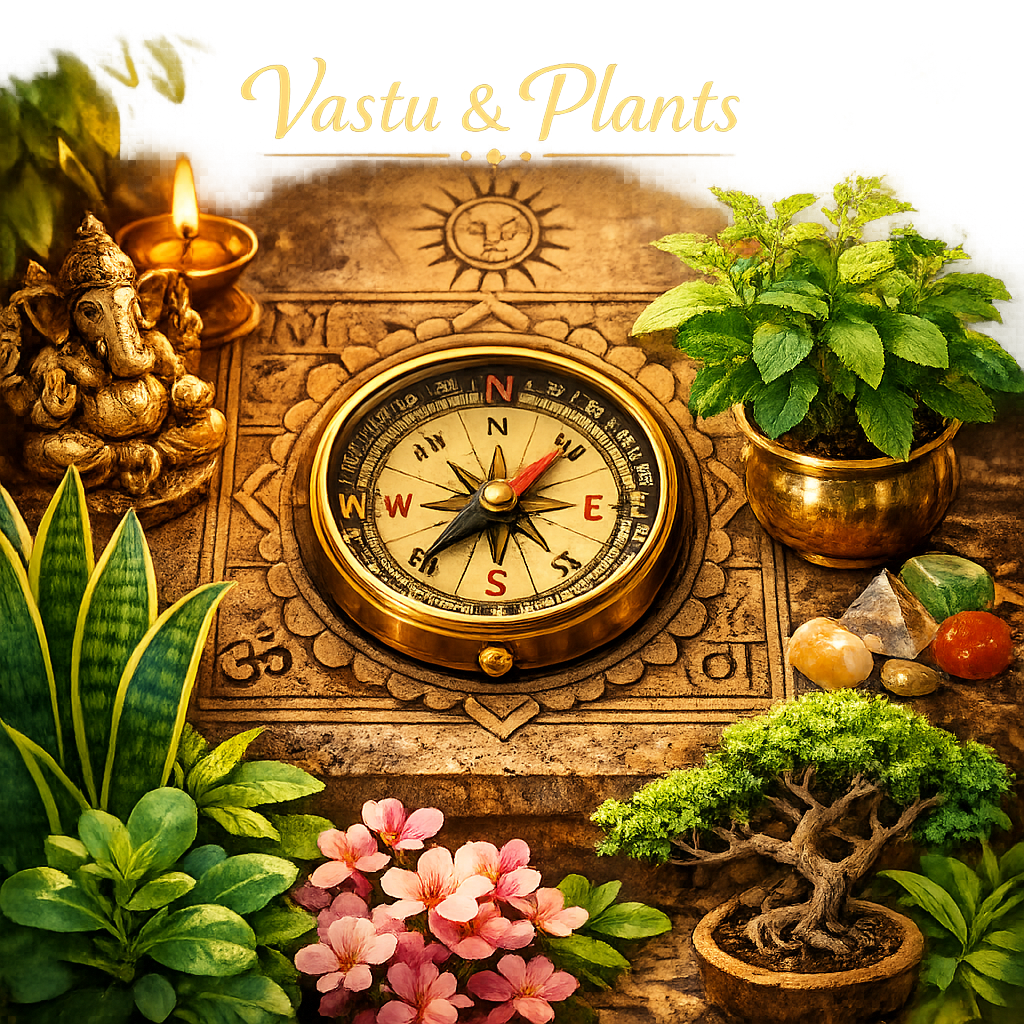
Plants and trees are not merely ornamental elements – they are living beings that emit powerful energy that can profoundly affect our physical and emotional well-being. In Vastu Shastra, plants and trees hold a special position as they represent the five elements and have the power to enhance or diminish the energy in our living spaces. Ancient texts like Garun Puran and Rup Mandal emphasize the importance of selecting and placing plants thoughtfully for a prosperous life.
Every plant carries its own unique vibration and energetic signature. A healthy, thriving plant not only purifies the air but also radiates positive energy that uplifts the entire environment. Conversely, dead or dying plants can become sources of negative energy that affect the inhabitants of a home.
When designing your garden or placing indoor plants, Vastu Shastra provides specific guidelines that, when followed, can transform your home into an oasis of positive energy, health, and prosperity.
Scientists confirm that Peepal produces large amounts of oxygen, especially under its thick foliage. Circumambulating this tree in the morning is highly beneficial. However, plant it away from the house as its spreading roots can affect foundations.
The Neem tree has immense medicinal value – its extract is used in pesticides, twigs for dental care, and oil in physiotherapy. This is an excellent tree to have in your garden as it purifies the air and repels insects.
Most parts of the mango tree have medicinal and ritualistic value. Its leaves are used for puja, and its wood is considered auspicious for cremation. Mango trees can live for 400-500 years – a valuable addition to any garden.
Jack-fruit trees produce tasty seasonal fruit and beautiful yellow-colored wood used for furniture. Its leaves are considered auspicious for puja. A highly useful tree for gardens with adequate space.
Best for small plants and flower gardens. Keep this area relatively open with low-height plants to allow positive solar energy and light to enter the home freely.
Suitable for large trees as they provide shade and protection from harsh afternoon sun. Heavy trees in these directions create balance and stability for the property.
Money plants, Tulsi, bamboo, and small decorative plants can be kept inside. Ensure they receive adequate light and water. Avoid thorny plants and cactus indoors.
Flowering plants in North or East directions bring positivity, joy, and romance. Avoid placing them in Southwest. Regular flowering indicates good energy flow.
Get personalized consultation for plant and tree placement to maximize positive energy in your home.
Book Consultation